Best Wet Palette for Miniature Painting
A wet palette is one of the simplest, most impactful upgrades for any painter who blends acrylics. The moisture barrier keeps paint workable for hours or days instead of drying out in minutes on a dry palette, which transforms the blending and layering experience. The market has matured significantly in recent years, and the difference between a cheap DIY setup and a well-engineered commercial palette is real. The key variables are sponge saturation consistency, paper translucency, seal quality, and size. A sealed palette keeps paint fresh for a full painting session and overnight without cramped colour spacing.
BrushBench may earn a commission from links below . Updated June 2026
What is the best Wet Palette for Miniature Painting?
The Redgrass Games Everlasting Wet Palette Painter XL is the best wet palette for miniature painting, combining a well-calibrated hydration sponge, high-quality palette paper, and a tight-sealing lid that keeps paint workable overnight. The XL size gives enough room to lay out a full session palette without colours mixing together.
 Top Pick
Redgrass Games Everlasting Wet Palette Painter XL
The benchmark wet palette for miniature painters, with a calibrated hydration sponge, quality semi-permeable paper, and a sealing lid that keeps paint workable for days.
Best for Any painter who blends or works in extended sessions and wants paint to stay workable for hours.
 Best Value
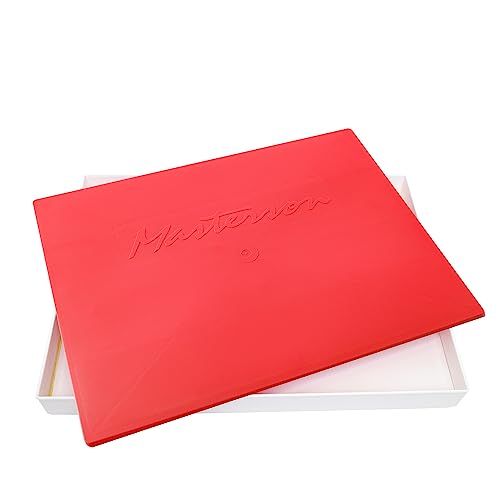
Masterson Sta-Wet Premier Palette
Artist-grade airtight wet palette originally designed for acrylic painters, with a generous working surface and a proven sponge-and-paper system.
Best for Painters who want a large working surface at a low price and do not mind a slightly manual setup process.
 3
3 Army Painter Wet Palette Starter Set
Wet palette from Army Painter bundled with palette paper refills and sponge, a practical entry point to wet palette painting.
Best for Painters who want to try a wet palette before committing to a premium option.
The method
How we chose
We evaluated each option on fit, build quality, daily usability, and value. Our top pick, Redgrass Games Everlasting Wet Palette Painter XL, earned the spot. The best wet palette in the hobby, the lid seal and sponge calibration make it a genuine upgrade over DIY alternatives. The comparison above highlights exactly who each pick is best for.
Related guides
Head-to-head comparisons
FAQ
Best Wet Palette for Miniature Painting: FAQ
How does a wet palette work for miniature painting?+
A wet palette uses a water-saturated sponge under a semi-permeable membrane paper. The paper lets moisture wick up from the sponge and into the underside of the paint on the surface, slowing evaporation without diluting the paint. Acrylic paint that would dry in five minutes on a dry palette stays workable for hours or days. This makes blending, wet-blending, and working small batches practical in a way that a dry palette simply does not allow.
Can I make a DIY wet palette instead of buying one?+
Yes, and many painters start that way. A plastic container, a wet kitchen sponge, and baking parchment paper is the standard approach and costs almost nothing. The limitation is consistency: kitchen sponges vary in how evenly they saturate, baking parchment is thicker and less permeable than purpose-made palette paper, and the container often does not seal well enough to keep paint fresh overnight. A commercial palette is worth the cost once you are painting regularly.
How do I clean a wet palette?+
At the end of a session, transfer any unused paint you want to save into a sealed container, discard the rest, peel off and dispose of the palette paper, and rinse the sponge and tray with clean water. Allow the sponge to dry between sessions to prevent mould. Replace the sponge every few months or when it begins to smell or discolour. Purpose-made palette paper refills are sold by all major wet palette brands.
Does a wet palette work with Contrast and Speed paints?+
With care. Contrast and speedpaint formulas are formulated with flow agents that make them self-shade, and placing them on a very wet surface can cause them to flow in unintended directions when applied. Many painters keep a slightly drier section of the wet palette for contrast paints, or thin them on a dry spot first before applying. The wet palette still helps prevent waste and drying, but the technique is more controlled than with standard acrylics.